
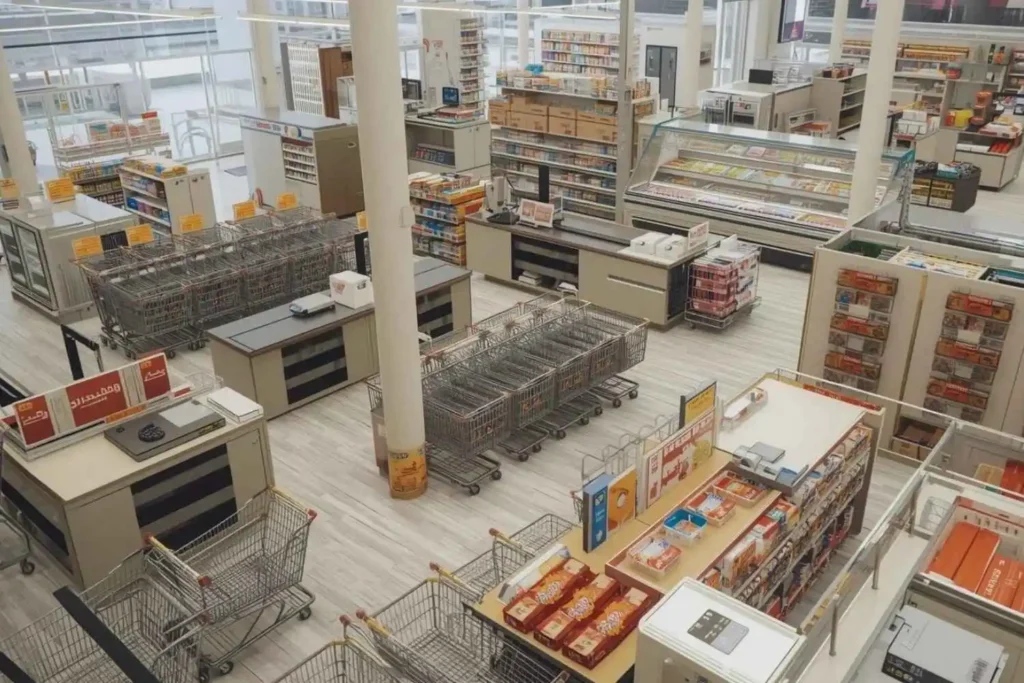
Supermarket Equipment Buyer – Complete Guide to Selling Used Store Equipment
The retail and supermarket industry is constantly evolving. Shops, grocery stores, and supermarkets often upgrade their setup to improve customer experience, increase storage capacity, and modernize their interior design. Because of this, the demand for a supermarket equipment buyer has increased significantly. These buyers help businesses sell their old, unused, or replaced equipment quickly and at a fair price.
A supermarket equipment buyer is a professional or company that purchases used store-related items such as racks, chillers, freezers, billing counters, display shelves, and storage units. They either refurbish these items for resale or recycle usable parts for other commercial setups.
What Does a Supermarket Equipment Buyer Purchase?
Supermarket buyers deal with a wide range of commercial equipment, including:
- Display racks and shelves
- Deep freezers and display freezers
- Cold storage chillers
- Billing counters and checkout desks
- Shopping trolleys and baskets
- Storage cabinets and metal stands
- Refrigeration units and cooling systems
These items are commonly used in grocery stores, mini marts, wholesale shops, and large supermarkets.
Why Supermarkets Sell Old Equipment
There are several common reasons why businesses sell their used equipment:
1. Renovation and Upgrading
Supermarkets often redesign their interior layout to attract more customers, requiring new furniture and display systems.
2. Business Closure or Relocation
When a shop closes or moves to a new location, selling equipment becomes the best option.
3. Expansion of Business
As businesses grow, they replace small or old equipment with larger and more efficient systems.
4. Damaged or Outdated Equipment
Old equipment may no longer meet modern standards or may require costly repairs.
How Supermarket Equipment Buyers Work
The process of selling used supermarket equipment is simple and efficient:
Step 1: Contact Buyer
The seller contacts a buyer and shares details of the equipment, including photos and condition.
Step 2: Inspection
The buyer visits the location to check the quality, size, and usability of the items.
Step 3: Price Evaluation
Based on condition and market demand, the buyer offers a fair price.
Step 4: Instant Deal
If both parties agree, payment is made immediately.
Step 5: Pickup and Removal
Buyers usually provide dismantling and transportation services, making the process stress-free.
Factors That Affect Equipment Price
The value of supermarket equipment depends on several factors:
1. Condition
Well-maintained and functional equipment has higher resale value.
2. Material Quality
Stainless steel racks and branded refrigeration units are more valuable.
3. Age of Equipment
Newer equipment generally sells at a better price.
4. Brand Reputation
Well-known commercial brands increase buyer interest.
5. Quantity
Bulk sales from supermarkets often get better overall deals.
Benefits of Selling to Supermarket Equipment Buyers
1. Fast Cash Payment
Sellers receive immediate payment without delays.
2. Easy Process
No need for advertising or finding individual buyers.
3. Free Pickup Service
Most buyers handle transportation and loading.
4. Space Clearance
Helps businesses quickly free up store space.
5. Fair Market Value
Professional buyers ensure competitive pricing.
Tips to Get the Best Price
To get a better deal when selling supermarket equipment:
- Clean and organize equipment before selling
- Provide details about brand and usage history
- Sell in bulk for better negotiation power
- Compare multiple buyer offers
- Sell items before they become too old or damaged
Supermarket Equipment Market in Qatif
In areas like Qatif, supermarket equipment buyers play an important role in supporting retail businesses. They help store owners quickly sell unused or old fixtures during renovation or closure. This service is especially useful for small and medium-sized grocery stores that want to recover investment from old equipment.
The market is growing as more supermarkets modernize their infrastructure and adopt updated retail designs.
Future of Supermarket Equipment Buying Industry
The demand for used commercial equipment is increasing due to:
- Growth of retail and grocery businesses
- Frequent store renovations
- Rising cost of new equipment
- Increasing focus on recycling and reuse
- Expansion of second-hand commercial markets
Supermarket equipment buyers are becoming an important part of the circular economy by reducing waste and promoting reuse.
Conclusion
A supermarket equipment buyer provides a fast, reliable, and profitable solution for selling used commercial store items. Whether a business is upgrading, relocating, or closing, these buyers ensure quick cash payment, hassle-free service, and proper removal of equipment. With growing demand in retail markets like Qatif, this industry will continue to expand and support business owners effectively.